Stability in uncertain times: TRATON’s strategy for robust supply chains
Disclaimer: This page and the documents, information, data and assessments contained herein reflect the factual and legal status as well as the corporate strategy at the time of their publication and/or for the time period specified. They may since have become outdated as they are not being updated.
Geopolitical crises, semiconductor shortages, the shift to battery-electric vehicles: the global supply chains of commercial vehicle manufacturers are increasingly under strain. The TRATON GROUP's resilience strategy supports us in mitigating risks and enable production at its brands to run smoothly – even in the face of disruptions.
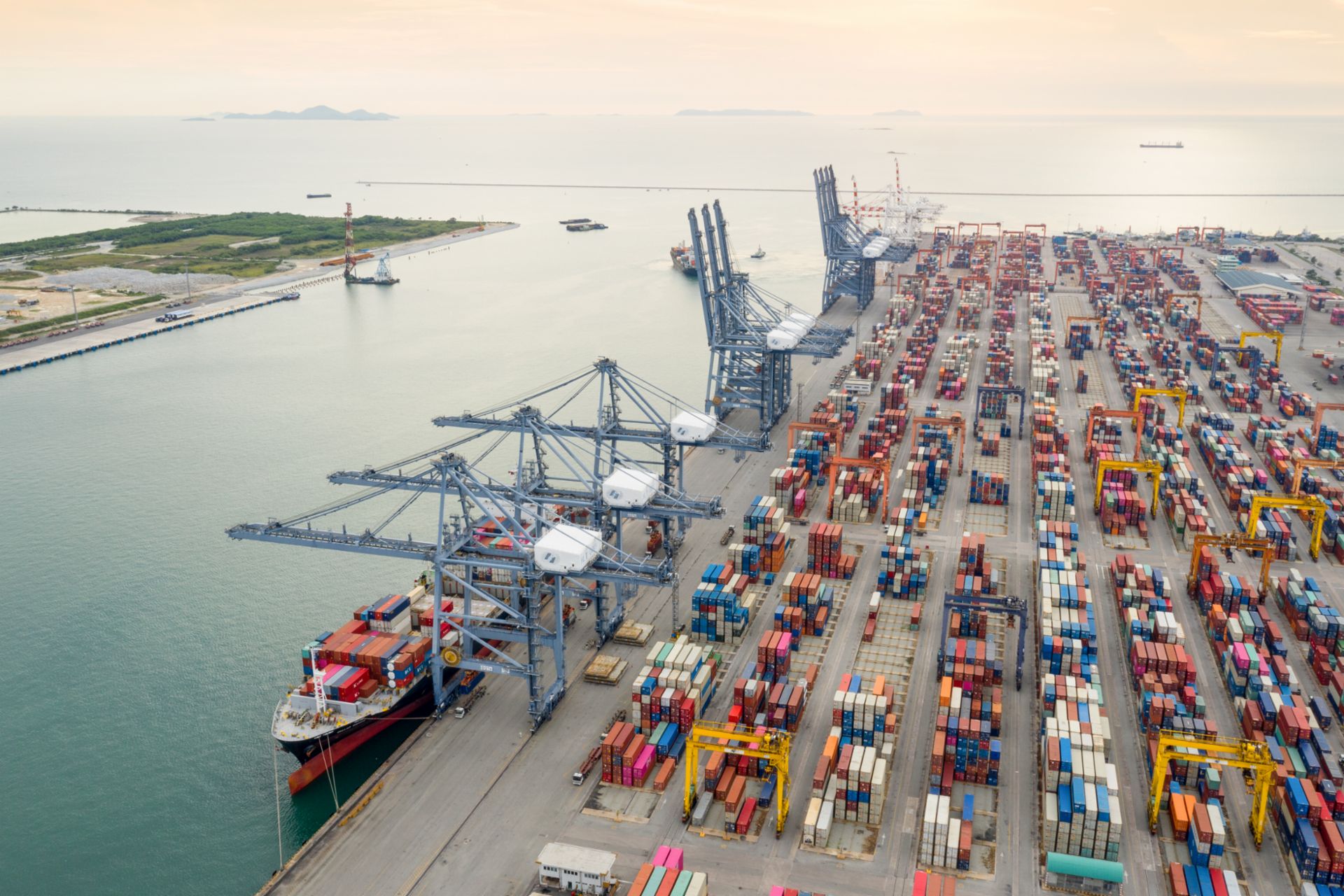
A global supply chain resembles a finely woven, worldwide net. A single blocked strait is enough to sever important connections. That is exactly what happened during the recent Middle East crisis: with the blockade of the Strait of Hormuz, essential routes were interrupted overnight.
This also affected the TRATON GROUP. For its European brands Scania and MAN, European oil reserves declined noticeably. The TRATON team jointly began searching for alternatives following TRATON’s resilience strategy.
The Complexity of Global Supply Networks
Commercial vehicles consist of thousands of parts and materials, including semiconductors, batteries, and electronic components. More than 90 percent of these come from suppliers all over the world. When one part is missing and a production line consequently comes to a standstill, it becomes very expensive. It can also lead to delivery delays, contractual penalties, and further problems with customer complaints.
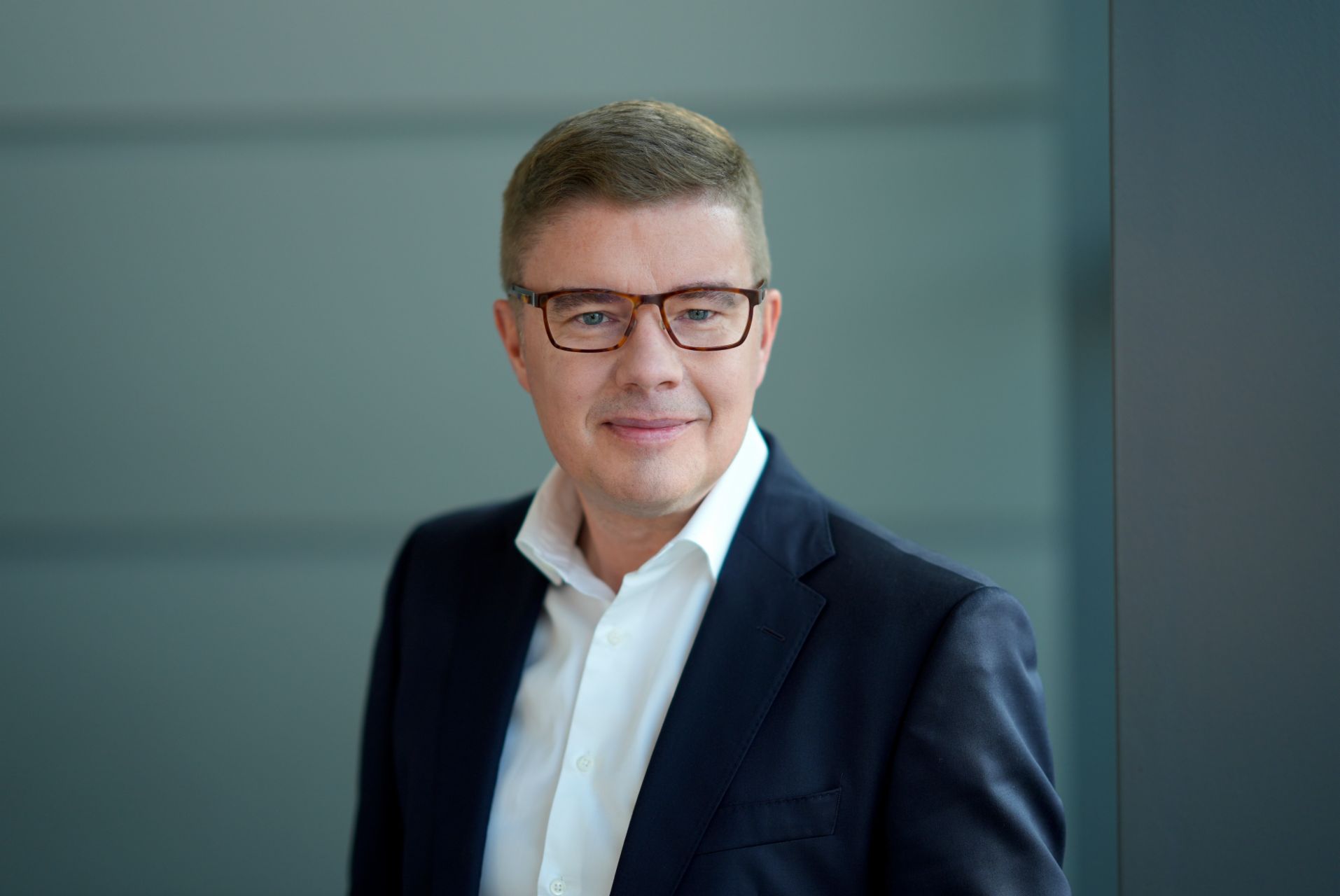
“The greatest risks within the supply chain arise from external disruptions: geopolitical conflicts can lead to trade barriers and interrupt supply routes. Natural disasters such as fires and flooding can have impact on both production sites as well as infrastructure. As the supply chain is lean and sometimes based on sequence deliveries, shortages of parts and components will delay production,” says Karl Bernqvist, Chief Procurement Officer at TRATON, member of the Executive Board of MAN.
For TRATON, resilience means above all being proactive but also to be able to react actively on short notice to disruptions – for instance through having multiple suppliers, alternative transport routes, or stockpiling parts inventories. Besides cost focus and efficiency, procurement has an even broader scope now – given the unstable geopolitical situation. However, this is not at odds with cost efficiency. Rather, it is a necessary complement in order to balance the central value drivers – technology, quality, cost, delivery, and sustainability (TQDCS). Our people are the basis and enabler to push the value drivers into reality.
For the TRATON GROUP, supply chain resilience isn't just an operational matter – it's strategically decisive.
Karl BernqvistChief Procurement Officer at TRATON, member of the Executive Board of MAN
Resilience and Sustainability Go Hand in Hand
TRATON also needs resilient supply chains for enabling the transformation to battery-electric vehicles. After all, the switch to e-trucks creates new dependencies – for example on batteries, or rare raw materials such as lithium. The availability of these technologies and materials, however, are sometimes concentrated in just a few regions.
At the same time, manufacturers must meet regulatory requirements, for example with regard to greenhouse gas emissions along the supply chain or in particular due to the European fleet CO₂ requirements. Another aspect concerns sustainability and ESG requirements. There is a need for TRATON to monitor emissions, ethical raw material sourcing and environmental compliance at suppliers. A resilient supply chain should create transparency, traceability and the possibility of switching to compliant suppliers if necessary.
From Just-in-Time Thinking to Robust Security of Supply
“Nowadays, external disruptions risks and instances occur more frequently. In procurement, you can therefore no longer rely solely on maximum efficiency,” says Karl Bernqvist. “At TRATON, we have realigned our procurement: a balanced set-up between all different value drivers where resilience and security of supply are a key dimensions. The mindset in TRATON procurement today is more focused on a holistic end-to-end approach. Based on TRATON’s global network in all regions we are able to act very quickly with access to local knowledge.”
Some exemplary countermeasures in TRATON procurement are:
Dual Sourcing: When commercially and technically possible we aim for the nomination of at least two suppliers from different countries and regions in order to improve supply chain resilience.
Decoupling: Decoupling suppliers for regions with geopolitical tensions such as tariffs (like China and the US).
Sourcing decisions are always taken under consideration of TQDCS (Technology, Quality, Delivery, Cost and Sustainability) including Supply Chain Risk Management.
Proactivity, supplier monitoring and real time tracking etc.
Real-Time Tracking and Risk Monitoring: Transparency in the Supply Chain
TRATON is also committed to greater transparency in the supply chain. In this, digitalization is becoming an increasingly important instrument. With the help of real-time tracking, predictive analytics, and comprehensive supplier risk monitoring, potential risks can be better anticipated both during the awarding of contracts and during series supply. Increased data transparency and digital control instruments are enablers for the brands Scania, MAN, International, and Volkswagen Truck & Bus to react quickly and effectively to disruptions.
The TRATON GROUP is embedded in Volkswagen’s global supply chain risk network and in this way also uses methods and tools from VW. For example, the experts in risk and supply management receive a “Strategic and Risk Analytics” weather report, in order to be able to take preventive measures in the event of impending severe weather.
“Since 2020, external disruptions and global crises have intensified and multiplied, making clear: resilient supply chains need trust and genuine partnerships. That is why TRATON acts proactively and in a networked manner today – with forward-looking stockpiling, anchoring risk management within supplier quality and delivery management, regular supplier exchange and close coordination between the brands. And last but not least, cooperation with global supplier setups is facilitated by a synchronized procurement organization and makes it possible to address technical and geopolitical challenges more effectively by pooling resources,” explains CPO Karl Bernqvist.
TRATON Modular System: Potential to Greater Resilience
When it comes to resilient supply chains, the TRATON Modular System (TMS) plays a key role. It works like a modular kit: the four subsidiaries draw on shared components and standardized interfaces instead of each developing individual solutions. Since these modular components are produced and delivered worldwide, critical parts can be procured flexibly at multiple sites and made available faster in regions facing a shortage. This lowers the risk of regional supply fluctuations, including those triggered by geopolitical uncertainty.
At the same time, flexible production makes it possible to shift manufacturing capacities as needed, allowing the brands to react more quickly to changes.
Step by Step to More Resilience
During the recent crisis in the Middle East, TRATON’s measures to strengthen resilience have paid off. In a group-wide collaboration, the TRATON brands quickly found solutions for the emerging bottleneck in the oil supply. Experts from the TRATON task force from R&D, procurement, and aftersales developed tailored measures, taking into consideration various alternative oil formulations, engaging additional suppliers for base oils and identifying alternative transport routes. The solutions are in place and TRATON is equipped to handle further geopolitical risks.
“For the TRATON GROUP, supply chain resilience isn't just an operational matter – it's strategically decisive,” says Karl Bernqvist. “It prevents production stoppages, safeguards our technology transformation, supports regulatory compliance, creates lasting competitive advantages and helps us achieve our overarching target – 100 percent customer satisfaction.”