
Tiva Sharifi joined Scania around six years ago. Since July 2025, she has been the technology leader for one of the key areas of TRATON’s new Group-wide Research and Development organization: the electrification unit.
“Even though we are still in the transformation phase, I have already noticed that our way of working has become more agile,” Sharifi says. “Cooperation between the brands has improved, and by pooling our shared expertise we can innovate more quickly.”
Turning research into results
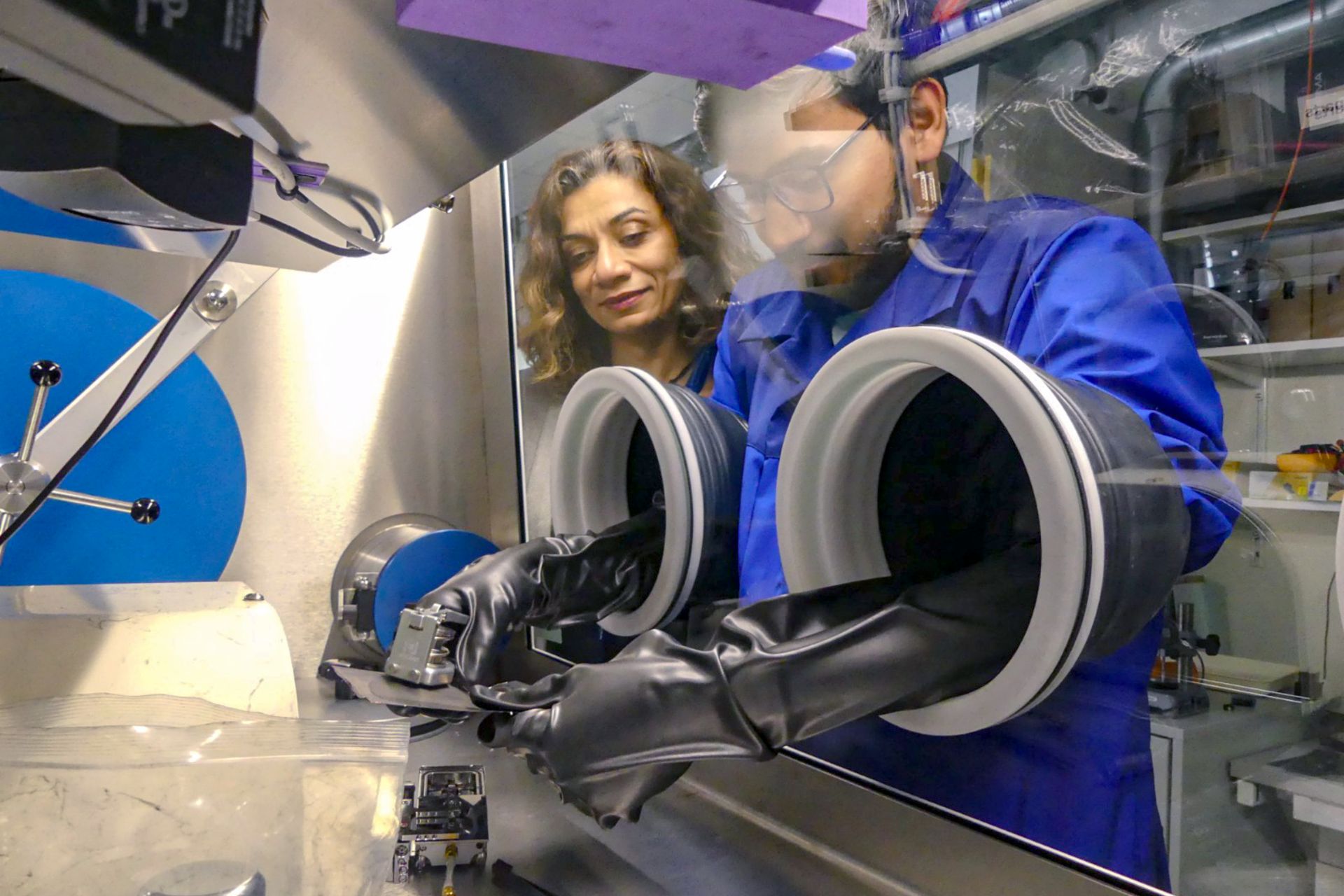
Sharifi and her colleagues are currently working on a research project to develop battery electric vehicles for the forestry sector. “When the project is complete, we will be able to supply electric transportation solutions for forestry,” she explains, clearly enthusiastic about the prospect. For Sharifi, the most rewarding part of her role at TRATON is the opportunity to turn research into genuine results — to combine innovation with products that will be available on the market in the future.
One of the turning points in her career was the moment when she presented the first electric truck. “The electrification of heavy long-haul trucks seemed almost impossible, particularly in comparison with cars,” she says, “but then I realized that we can produce fully electric trucks with a performance level that equals their diesel equivalents.”
Now, fully electric trucks have become a reality. “At the moment, the most urgent question is whether the infrastructure is ready.” The availability of charging points, energy costs, and charging time all play a crucial role in the purchasing decisions made by TRATON GROUP customers.
For this reason, Tiva Sharifi believes that the next major breakthrough for e-trucks will be the successful development of an electrified transport ecosystem where highly developed BEVs can perform at their best, supported by other components of the ecosystem, including the charging infrastructure and a grid system. This will simultaneously increase customer trust and further development. “Then the range, costs, and availability of long-haul e-trucks will be equivalent to their diesel counterparts, and their total cost of ownership will soon be even lower,” she says.
Other important fields of research within the TRATON Electrification area include intelligent management systems, more efficient and user-defined batteries, and software-defined vehicles.
Artificial intelligence brings genuine advantages for customers
Sharifi sees the introduction of AI into her day-to-day work as another highlight of her career at TRATON. “We are already using AI for the benefit of our customers in areas such as predictive maintenance and the optimization of routes and energy consumption,” she explains.

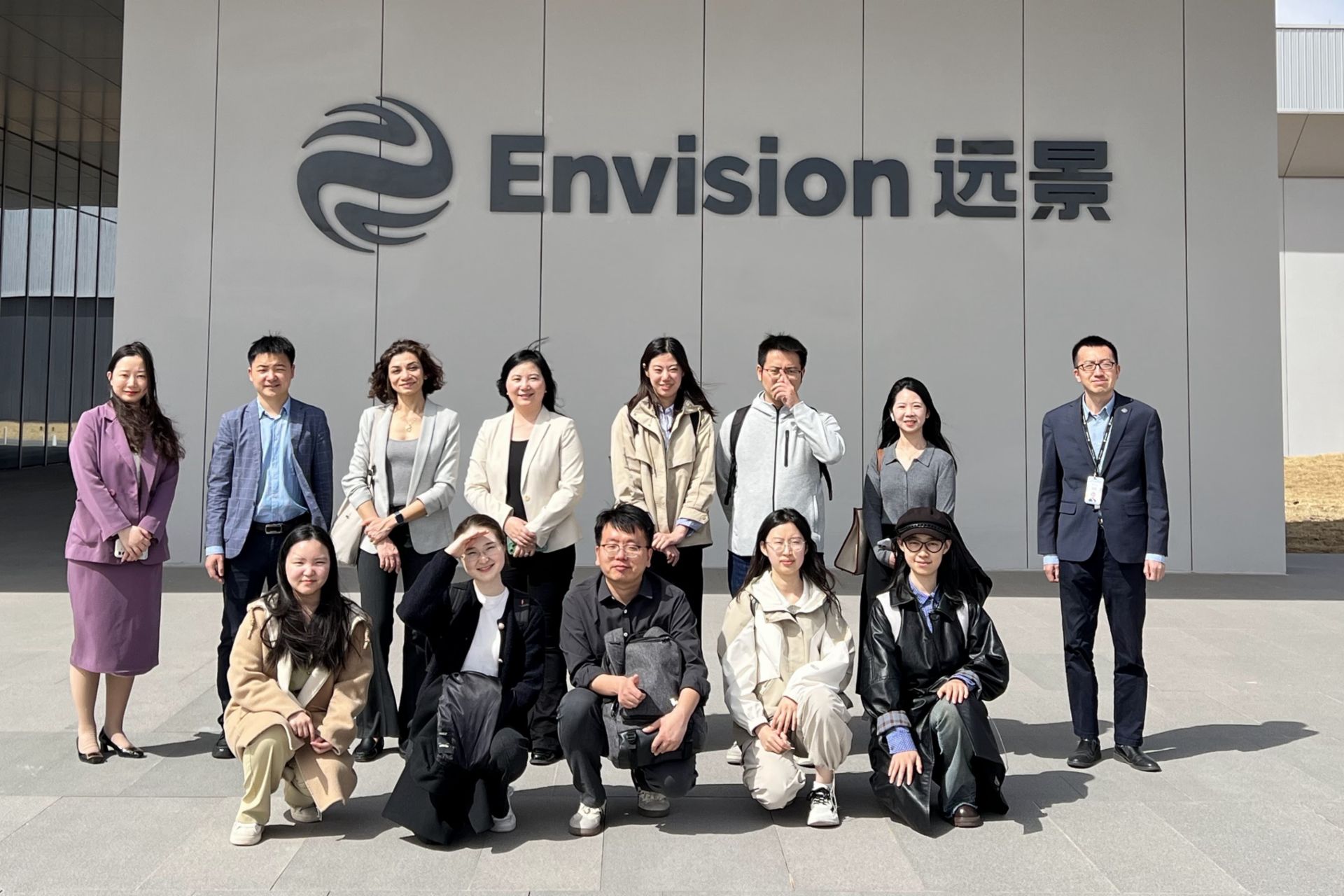
This is an ongoing process. In the future, AI will enable autonomous route planning and energy management, together with intelligent fleet coordination: “I see AI as a tool that will make us winners, if we can learn how to use it to its fullest.”
The next chapter in electrification
Tiva Sharifi has a vision for the next decade: “At TRATON, our goal is a sustainable transportation system. This means that we must continue to develop technologies that enable us to offer our customers the best solutions. We want to supply intelligent, innovative, and sustainable products for every route and every segment. That will be the next chapter in our story.”


