
TRATON is advancing its transformation towards a common modular system for the entire Group. A central element of this strategy is the development of modular battery packs, designed for use across multiple brands and vehicle applications.
To support this ambition, TRATON is establishing a battery production network with facilities in Södertälje and Nuremberg. In parallel, cross-brand teams are working on the production processes required to enable standardized and globally applicable battery platforms.
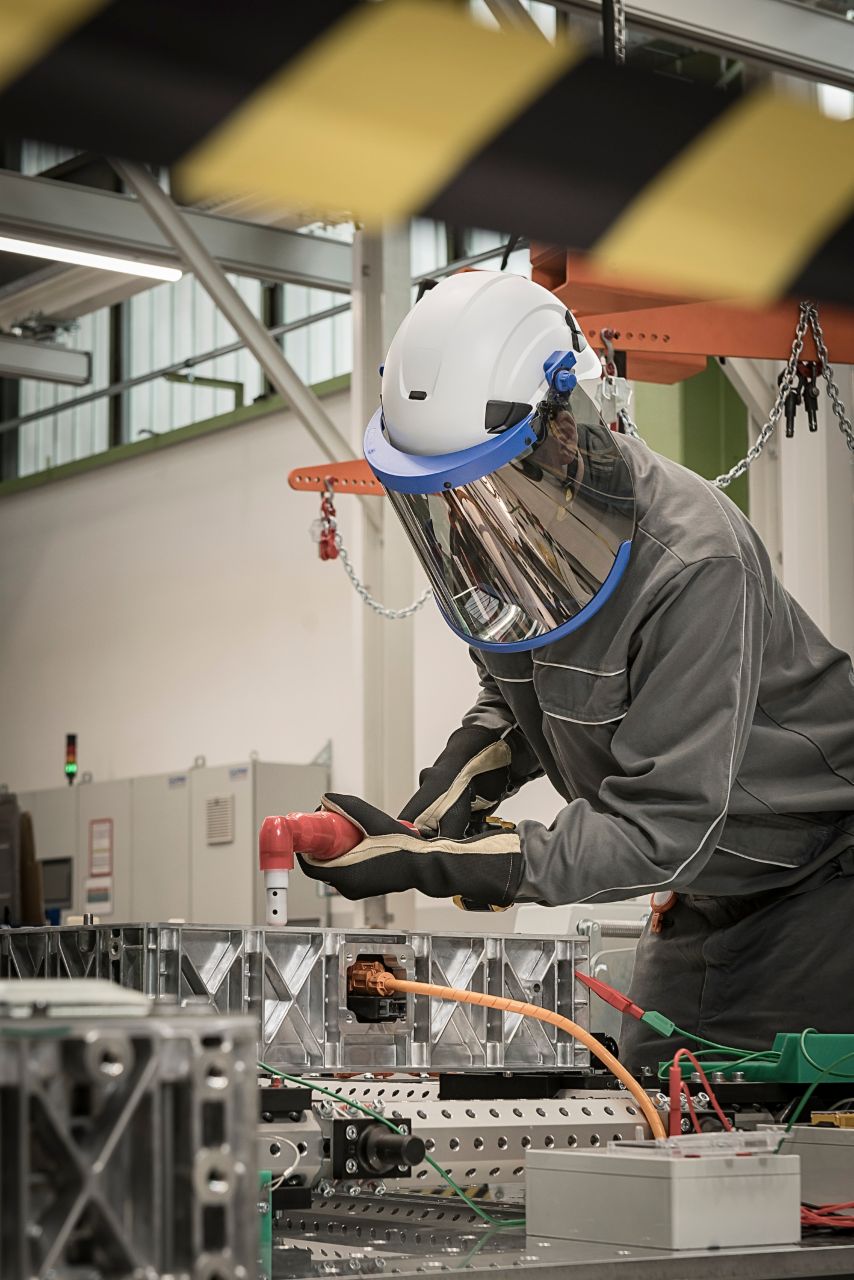
One such collaboration brings together experts from Scania and MAN, reflecting TRATON’s approach to leveraging Group-wide expertise to drive industrialization and technological development.
“Given our common TRATON component, it's crucial for the production community to ensure standardized and stable production processes. By having Scania and MAN collaborate, we effectively double our expertise and experience, which is essential for accelerating the industrialization of future product platforms,” says project leader Matilda Wickström.
Combining expertise across brands
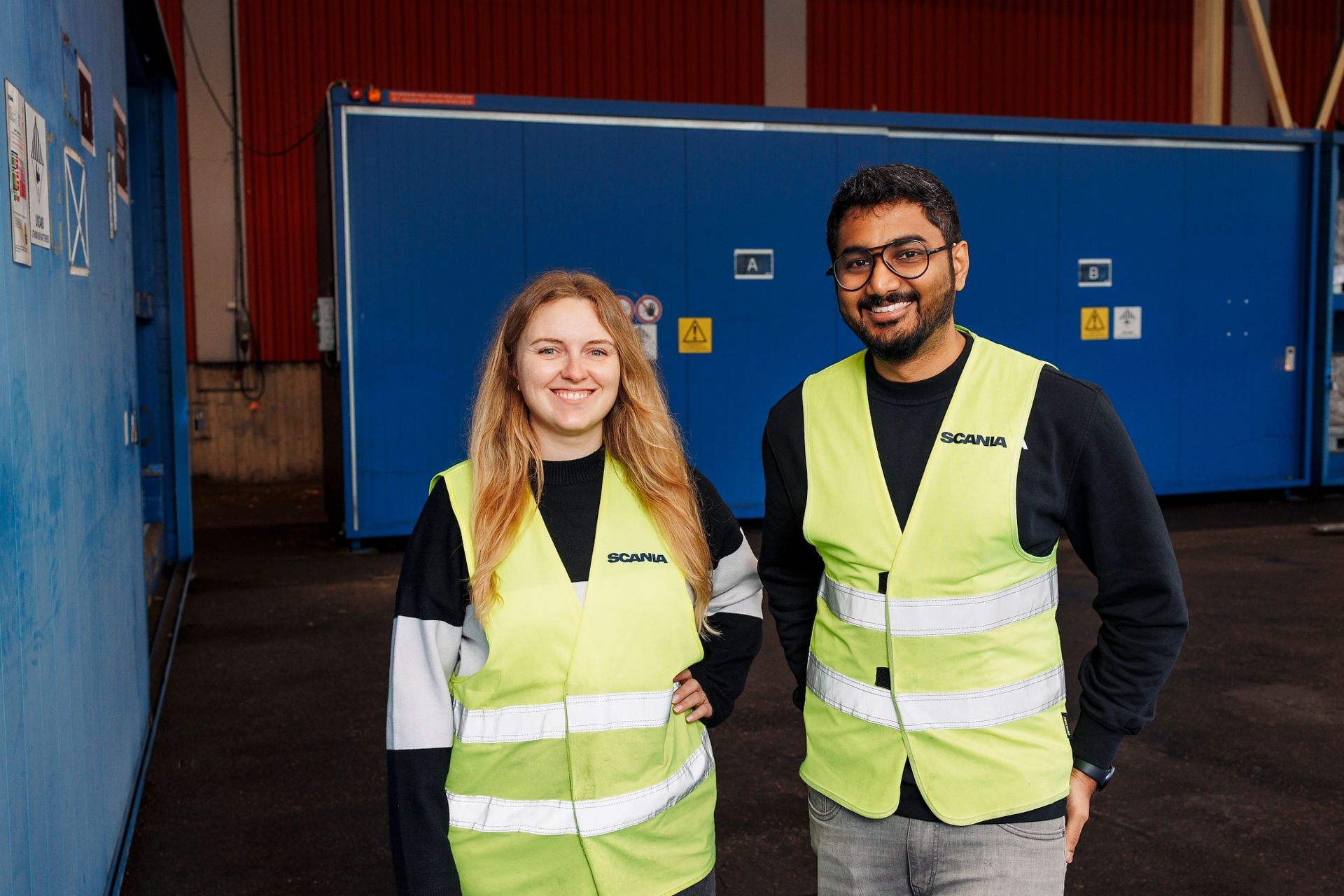
Battery production engineers Christina Brunhardt (MAN) and Aswin Ravikumar (Scania) are part of the team developing production solutions for future battery platforms. Although based in Nuremberg and Södertälje respectively, they cooperate closely in a shared project structure.
Cross-brand collaboration enables the team to approach challenges from different perspectives and evaluate alternative solutions more efficiently.
“When the two brands work together, we can look at the same problem with different eyes, coming up with two different solutions,” says Aswin Ravikumar.
This shared approach also improves problem-solving speed and robustness.
“If one of us has a problem or finds a fault, we can help each other troubleshoot, because we are working on the same solutions,” adds Christina Brunhardt.
A collaborative model for future technologies
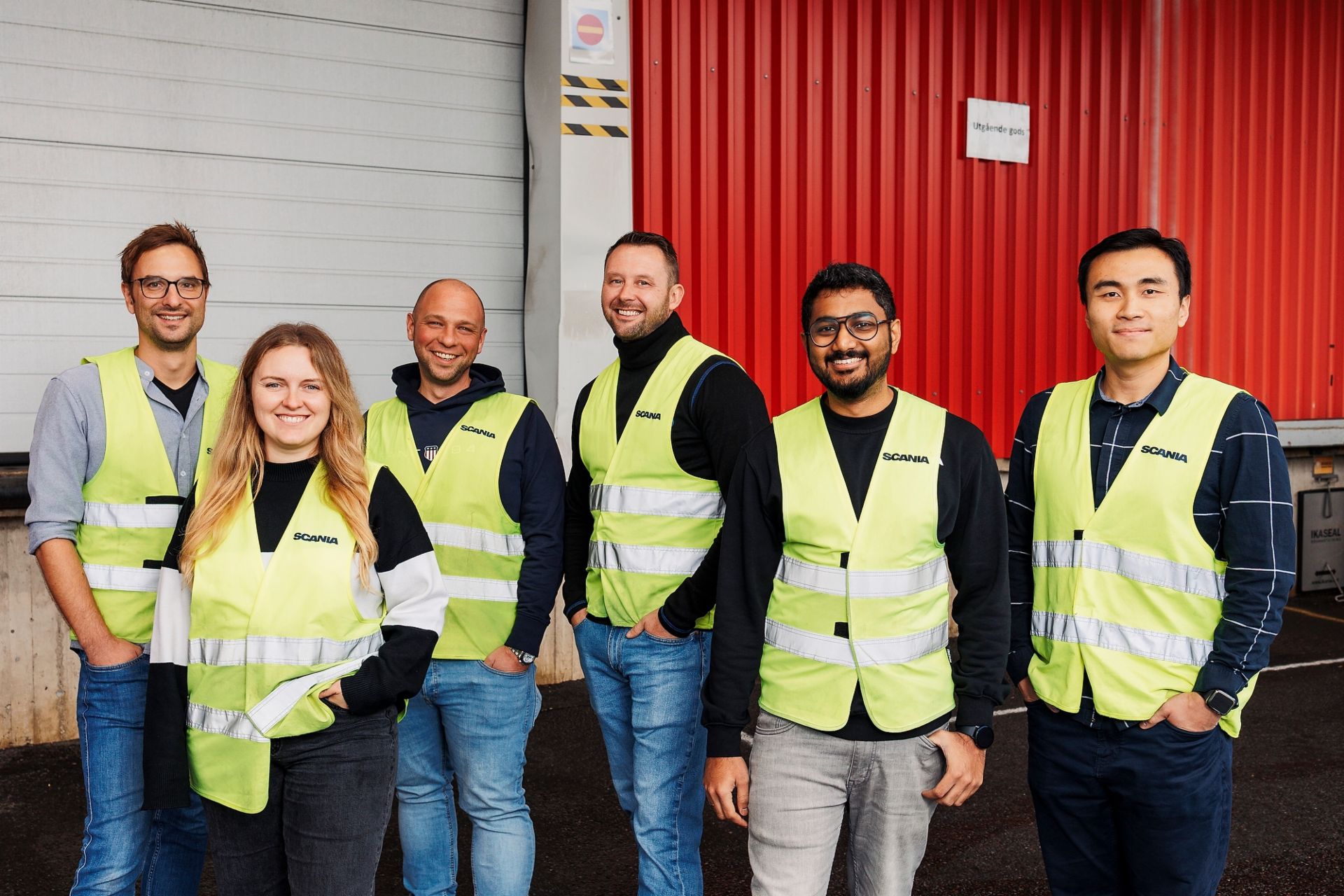
According to the engineers, differences in processes and ways of working between the brands are not obstacles but valuable inputs that support innovation.
“We can draw on two individual ways of doing things, and thus pick the best one,” says Christina Brunhardt.
The project is characterized by a strong learning culture, transparency, and structured knowledge sharing, including regular “lessons learned” sessions.
“Everybody in the project has a thirst for knowledge. The environment is collaborative, not competitive. We truly have a team spirit,” says Aswin Ravikumar.
As TRATON and the wider automotive industry navigate a period of technological transition, cross-brand collaboration plays a key role in building robust, future-ready solutions. By developing battery production capabilities together at Group level, TRATON reinforces its modular strategy and strengthens its ability to scale new technologies across brands.


