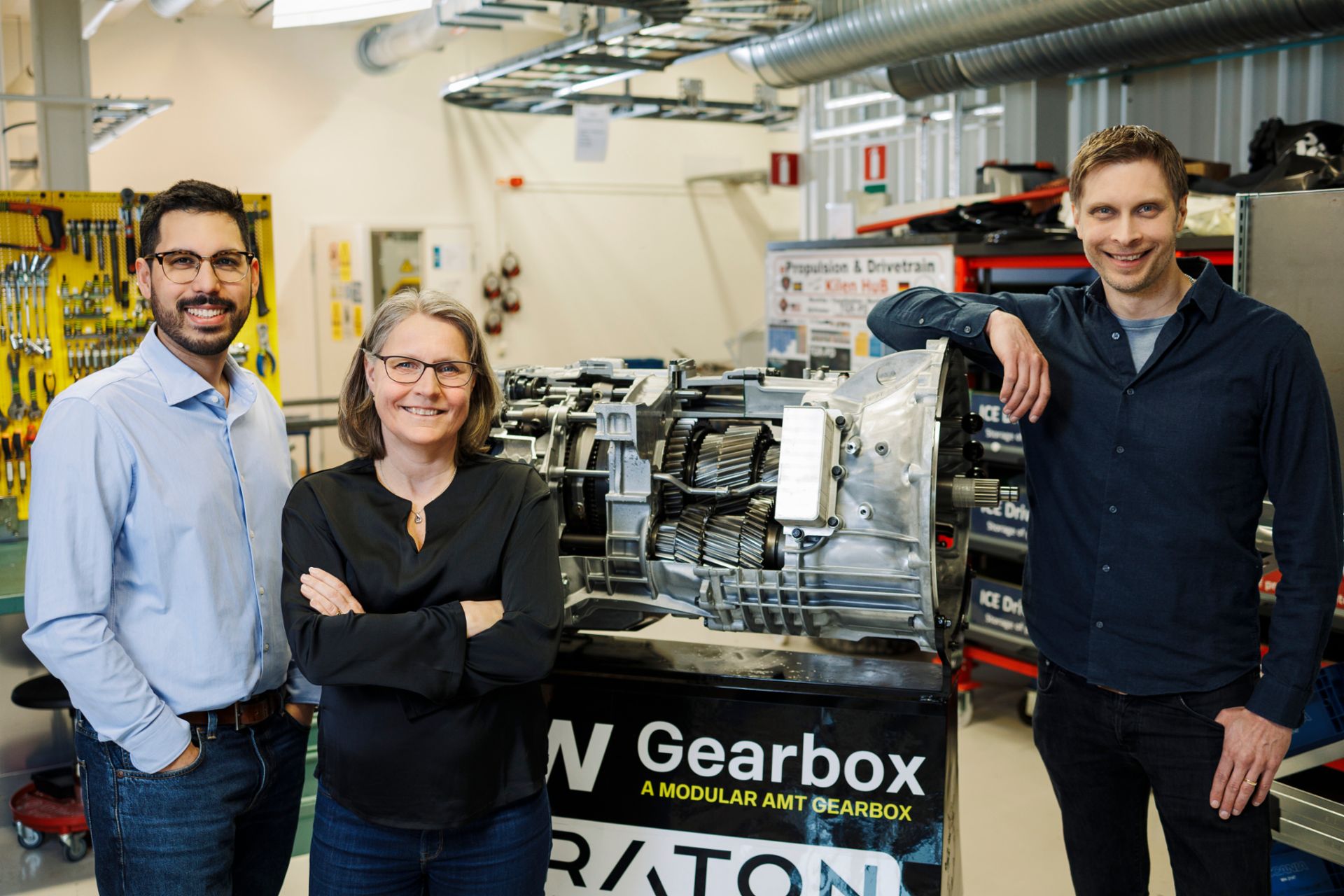
In our "How We Solved It" article series, we take a closer look at exciting projects within the TRATON GROUP and speak with the people who made them possible. In this installment, you'll learn how the Group's common gearbox was implemented at International in 2023. The gearbox was first introduced at Scania in late 2021, and MAN began utilizing the Group-common gearbox in 2024.
The Task
The initial steps were taken in 2016 when TRATON GROUP entered into a strategic alliance with Navistar (later International). As the ties with International strengthened and the company eventually became part of the TRATON GROUP, work on creating a common powertrain was already underway.
Various options for how International would approach the project were considered. Ultimately, the teams concluded that the best way forward for International was to implement TRATON’s full common powertrain, including engine, gearbox, and aftertreatment that had been developed at Scania, rather than starting with only the gearbox.
"The gearbox is very tightly integrated with the engine. So, to get the maximum out of both, they need each other. For example, fuel consumption is as good as it is because we have a strongly integrated system between the control units," says Peter Daelander, Product Manager from Scania.
The project grew larger
At this time, International did not have its own gearbox production. Instead, it sourced transmissions and aftertreatment systems from external suppliers, who were also responsible for servicing them in the field. When the company adopted the Group's common powertrain, it became both more efficient and more economically advantageous to bring production in-house.
It also meant a fundamental change in how International would support its customers: for the first time, International itself would sell and service the complete integrated powertrain (engine, transmission, and aftertreatment) through its own dealer network.
The scope of the project was immense: a completely new engine, gearbox, and aftertreatment, an expanded factory, a new sales and service approach, and the synchronization of processes and IT systems with Scania.
Ryan Ludera, who served as International’s senior project manager for this initiative, shared his perspective: “I knew this was going to be a critical initiative, to develop an all-new integrated powertrain for the North American market, that would change the way we do business at International. It was a massive undertaking, but an exciting one that required resilience and focus across all disciplines from start to finish to be sure everyone was aligned.”
The Process
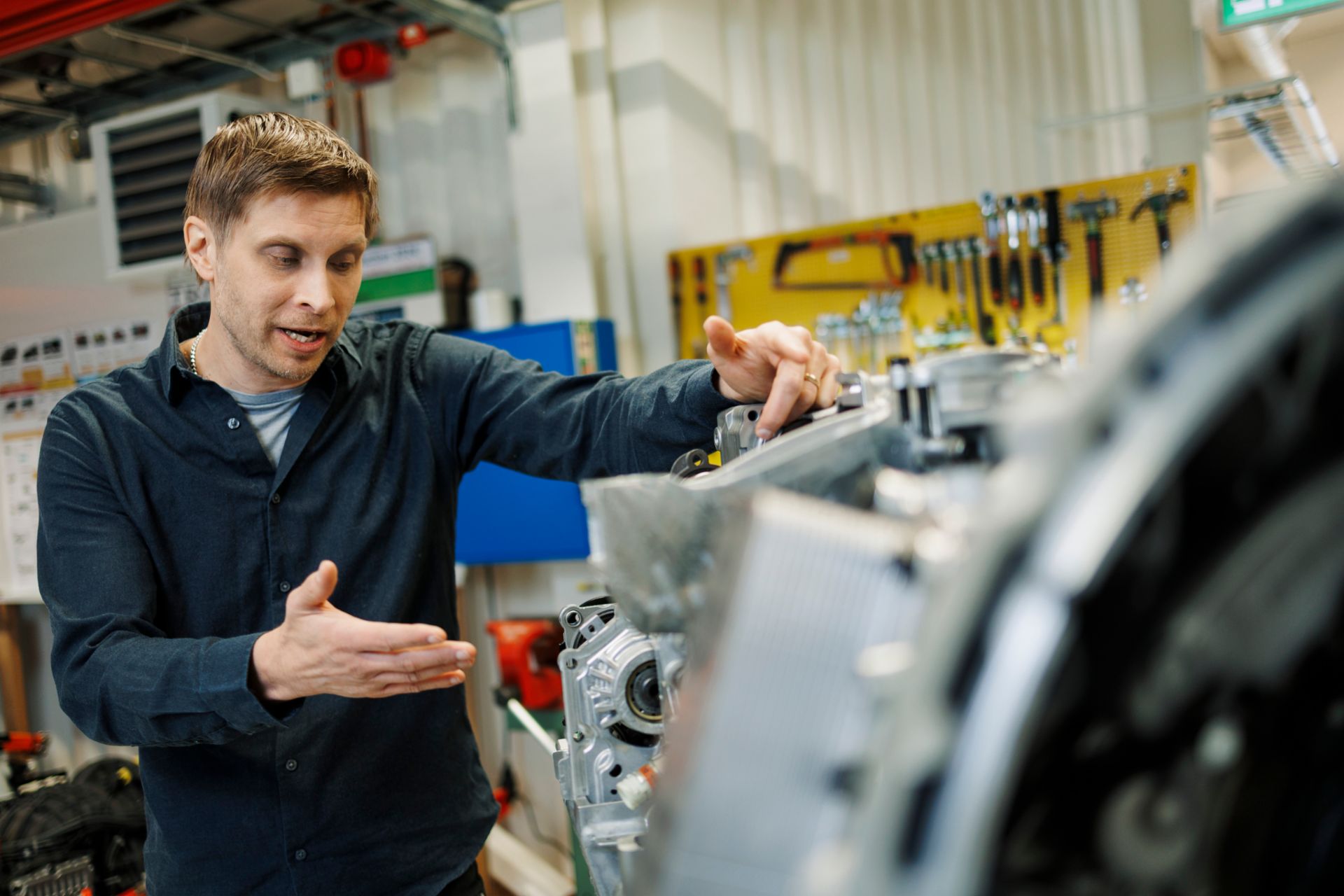
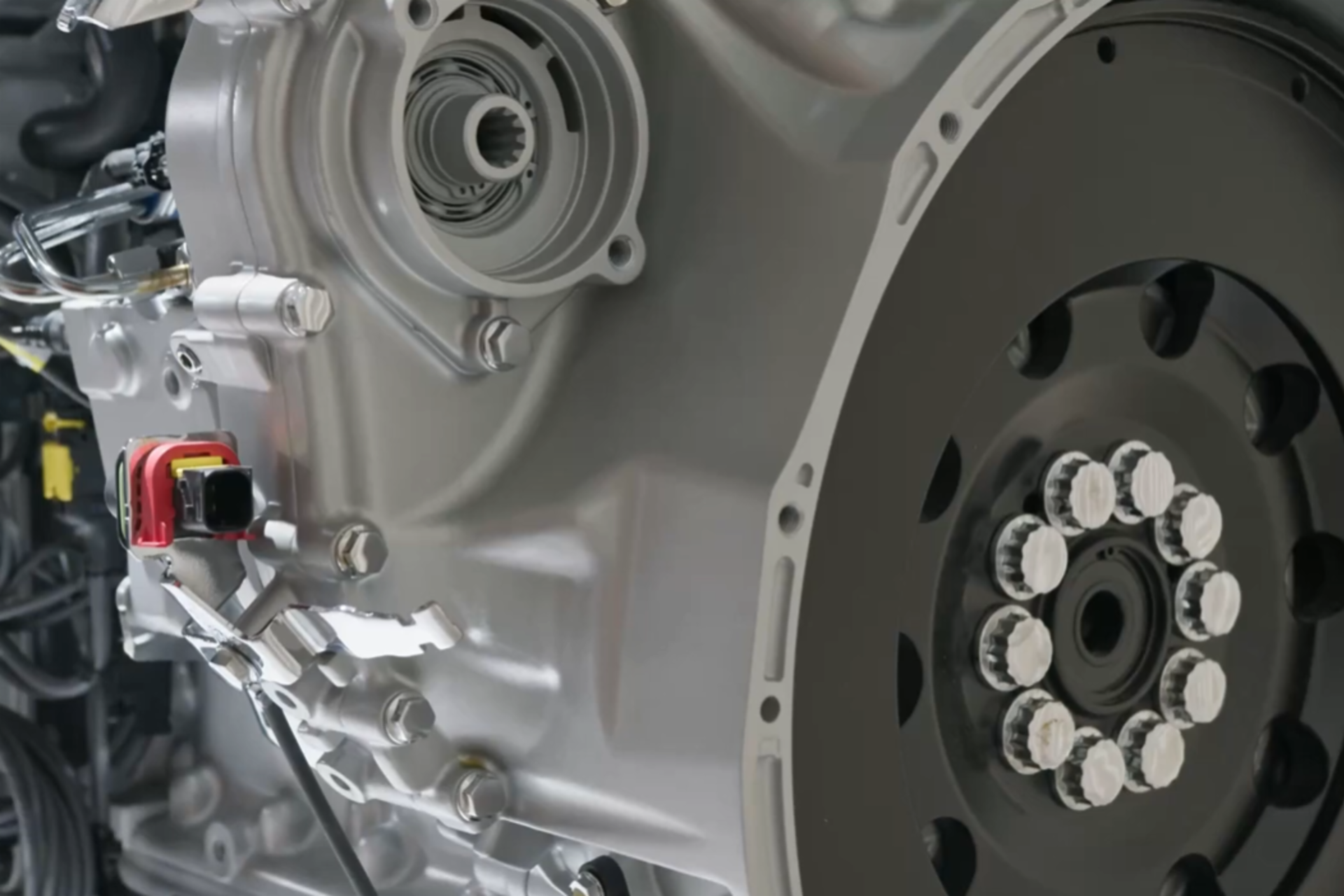
Everyone involved understood that the gearbox developed at Scania couldn't simply be transferred to International's trucks. The differences between Europe and the U.S. are numerous, both in what is standard in trucks and how they are operated. The exact adaptations needed could only be discovered through testing.
"For example, trucks in the U.S. can operate at higher road speeds and can be paired with heavier driveshafts, which Scania's gearboxes were not initially designed for. We discovered such things along the way. At Scania, we learned that we needed to conduct more tests and raise our awareness of the differences in how products are used in different markets," says Markus Granström, Component Chief Engineer for gearboxes and the main contact at Scania in the collaboration with International.
For the Scania engineers, this collaboration meant a partially new role. They were accustomed to developing gearboxes optimized for their own trucks. They now needed to consider new customers of the partner brand in the U.S. who had slightly different demands and expectations. This provided important learnings for both Scania and International.
"Both teams learned a lot from the collaboration. We at Scania learned how to adapt the gearbox to new customers with different requirements. And for International, it was the first time that they were involved in developing a new gearbox. In the end, it felt like International was just as involved in the development as Scania," says Markus Granström.
“Our cross functional groups had really strong collaboration, which resulted in a better performing team. Our team members leveraged the local best practices while staying naturally curious to consider other ways of approaching a situation. This resulted in a more efficient team, faster problem solving and better solutions for our customers,” says Ryan Ludera.
Challenge of synchronizing IT systems
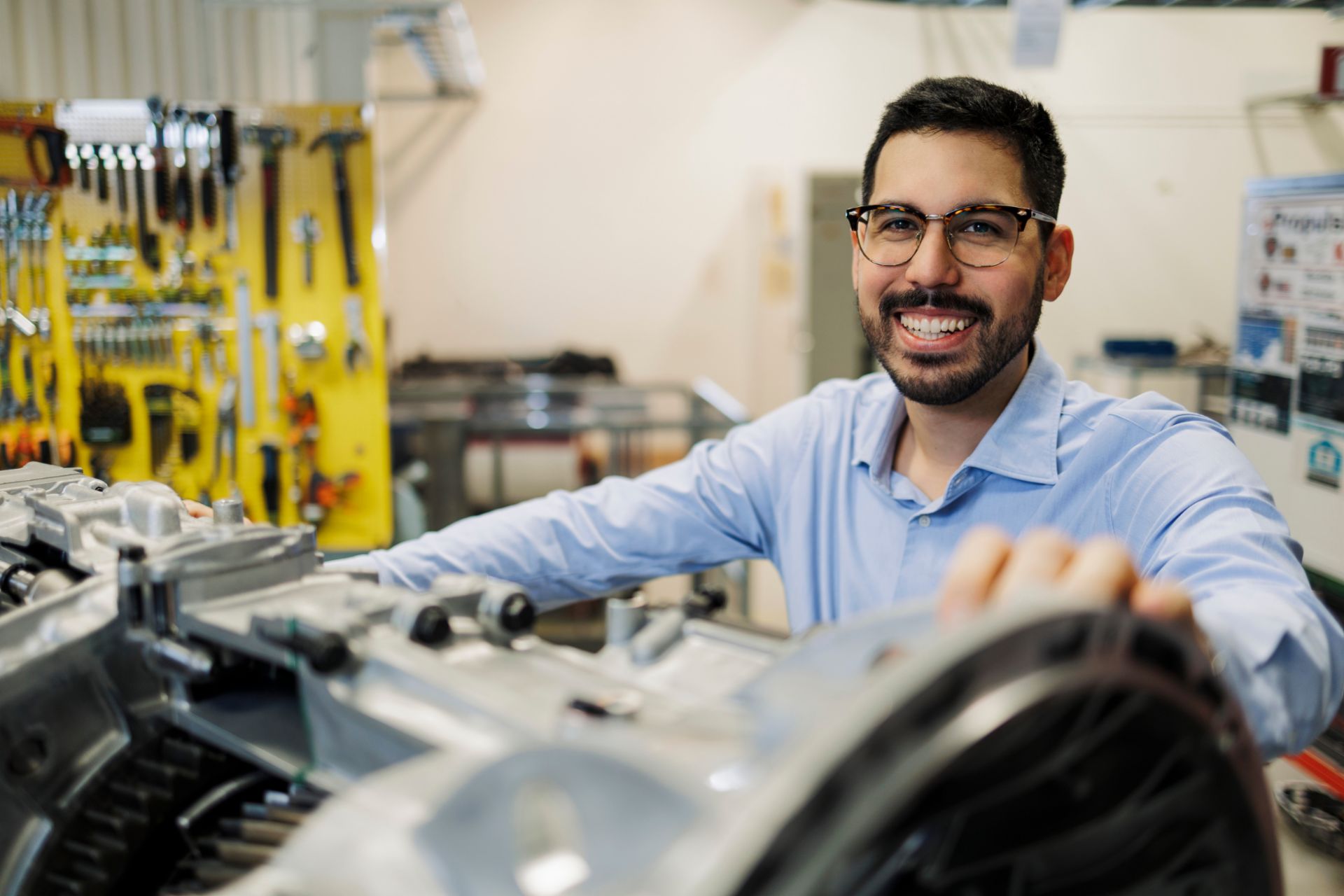
One of the biggest challenges wasn't about the gearbox itself or its construction, but about connecting the companies' IT solutions and how drawings would be shared.
"It's one of the most difficult things when starting a collaboration between two companies: getting the process and IT components in place. It's hard to know at what level you need system support and what the minimum level is. That's when communication between the people in the project becomes crucial," says Karin Elfgren, who was the Project Manager at Scania.
The team had to solve the sharing of drawings through manual handling, which over time became increasingly integrated and automated.
"Now it's built into our review flow and happens almost automatically. We now work according to a clear process that we have across all TRATON R&D," says Markus Granström.
Gearbox manufacturing established
The Huntsville factory underwent a major transformation: a 10,000-square-meter (110,000-square-foot) expansion that gave the plant entirely new capabilities, gearbox assembly for the first time in International's history, alongside three major machining lines. International managed the construction, but Scania advised on the design of the gearbox production line.
"It’s a copy of Scania's gearbox line but with a higher degree of automation. Production is carried out with largely the same controls and the same flow. The different sections of the factory have borrowed the Swedish names for simplicity," says Karin Elfgren.
The Result
In October 2023, International announced the start of production of the S13 Integrated Powertrain at Huntsville, now running two assembly lines, one for the gearbox and one for the engine. "It was a challenging journey, but very positive," summarizes Peter Daelander.
Karin Elfgren is more than satisfied with how the project was executed: "We became a really good team. The gearbox team worked incredibly well together. This applies to both the development teams and the collaboration between R&D and Production. Furthermore, the collaboration between Production at Scania and International worked very well. Everyone was willing to go the extra mile to make it work. I’m very impressed with how the team solved the task."
Ryan Ludera echoes her sentiment: ”International and Scania have a lot to be proud of, following the 2023 launch and ongoing market success of the S13 Integrated Powertrain, which is the first TRATON GROUP solution in North America. During the nearly six years of working together, the cross-functional teams showed tremendous collaboration through adversity, grounded in mutual respect, trust for one another, and sharing a common objective.”
“It was a challenging journey, but very positive.”
Peter Daelander, Product Manager at Scania
A culture of collaborative problem-solving
The lessons learned from the project were numerous. In the pursuit of continuous improvement, the team has carried successful elements into subsequent projects and learned from less successful ones to avoid repeating them. A key reason why the collaboration succeeded was that the team tackled challenges together. "We became a very tight-knit team that supported each other and listened to each other. We wanted to avoid any finger-pointing. We put together tandem pairs with representatives from both companies. We agreed to only say, 'we haven't reached the goal on this,' instead of 'Scania wants to do this and International wants to do that' at the project meetings. I believe that was one of the success factors," says Karin Elfgren.

.jpg/jcr:content/2024_eRH_Intermodal-(1).jpg
)