Disclaimer: This page and the documents, information, data and assessments contained herein reflect the factual and legal status as well as the corporate strategy at the time of their publication and/or for the time period specified. They may since have become outdated as they are not being updated.
By developing a Group-wide modular system, TRATON strengthens its resilience against disruptions, ensuring the continuity of production and logistics flows even in an unstable global environment.
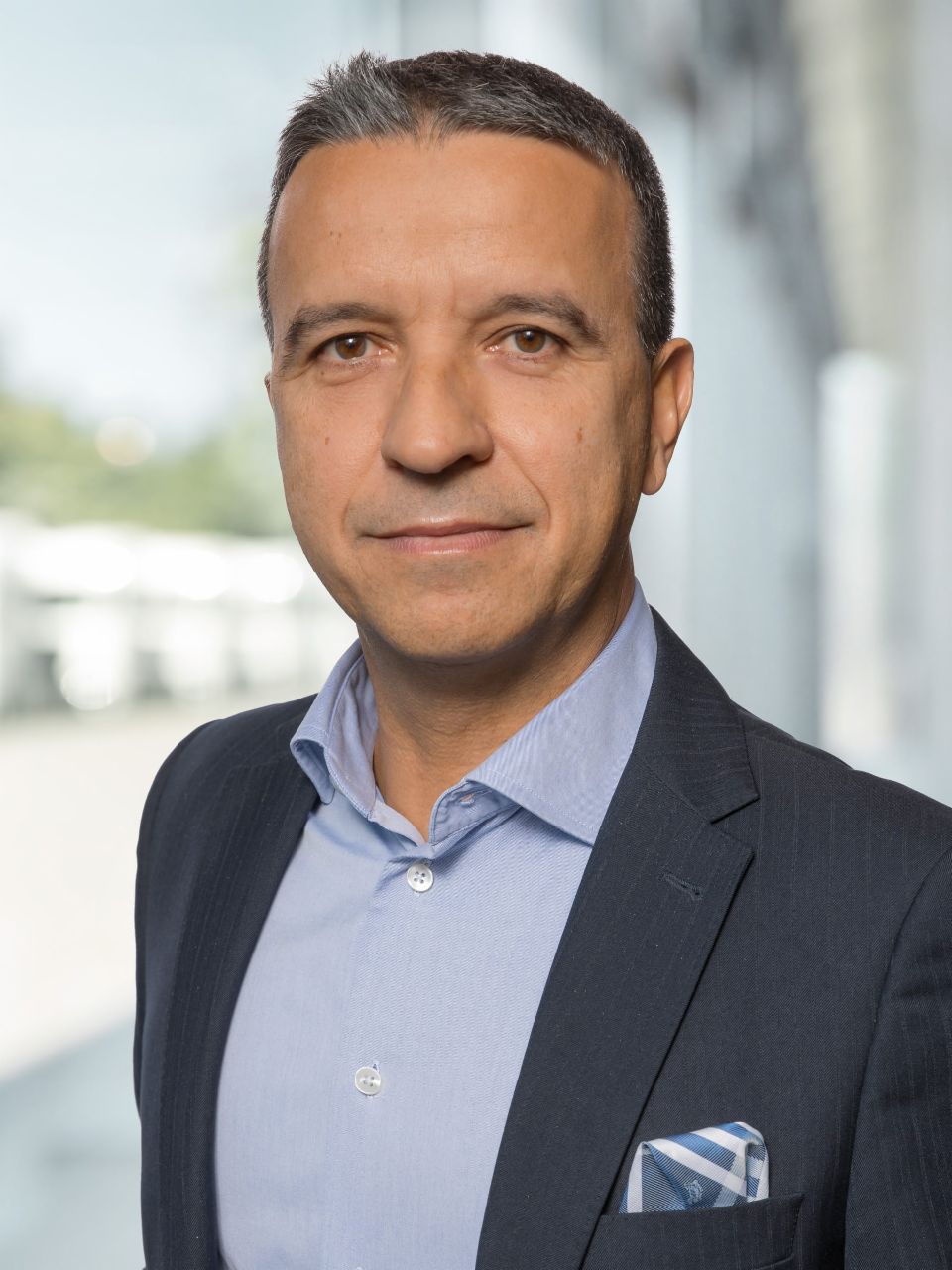
“The modular system is our answer to this more unpredictable world,” says Fabio Castello, Head of Group Logistics at TRATON.
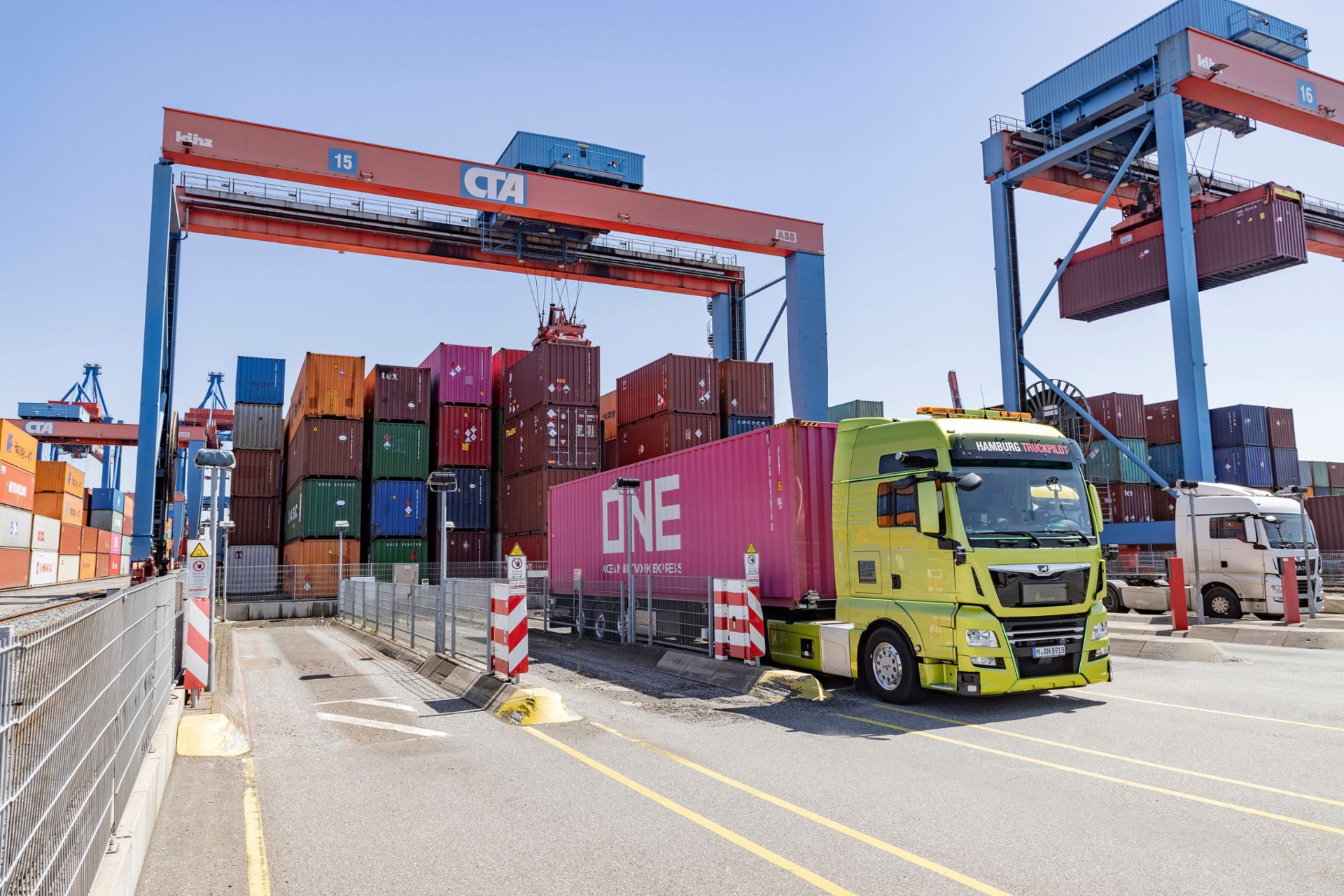
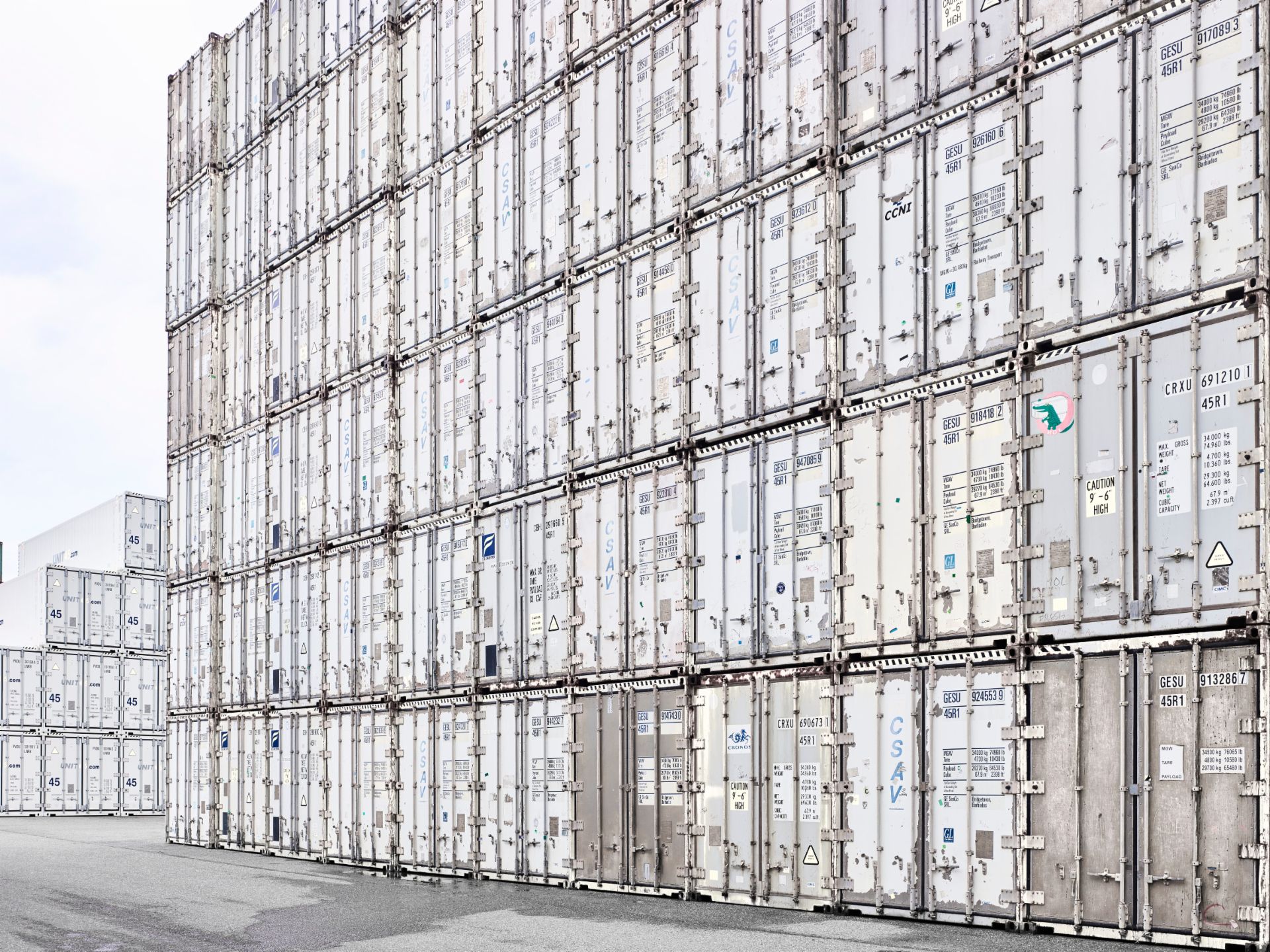
Natural disasters, geopolitical unrest, component shortages, and other external factors can disrupt the global value chain. One of the best known examples is the 400-meter container ship that stranded in the Suez Canal in 2021. Hundreds of vessels were brought to a standstill for nearly a week. This had a significant impact, as approximately 10-15% of global trade passes through the canal.
The TRATON Modular System (TMS) /TMS - Home/ begins with common components and grows into a Group-wide modular setup that will extend across all parts of the organization, generating positive effects several steps removed from its core. One example is that the modular system significantly improves the Group's ability to withstand supply shocks that may affect both production and logistics flows.
This can be summarized in three key points:
Global logistics optimization:
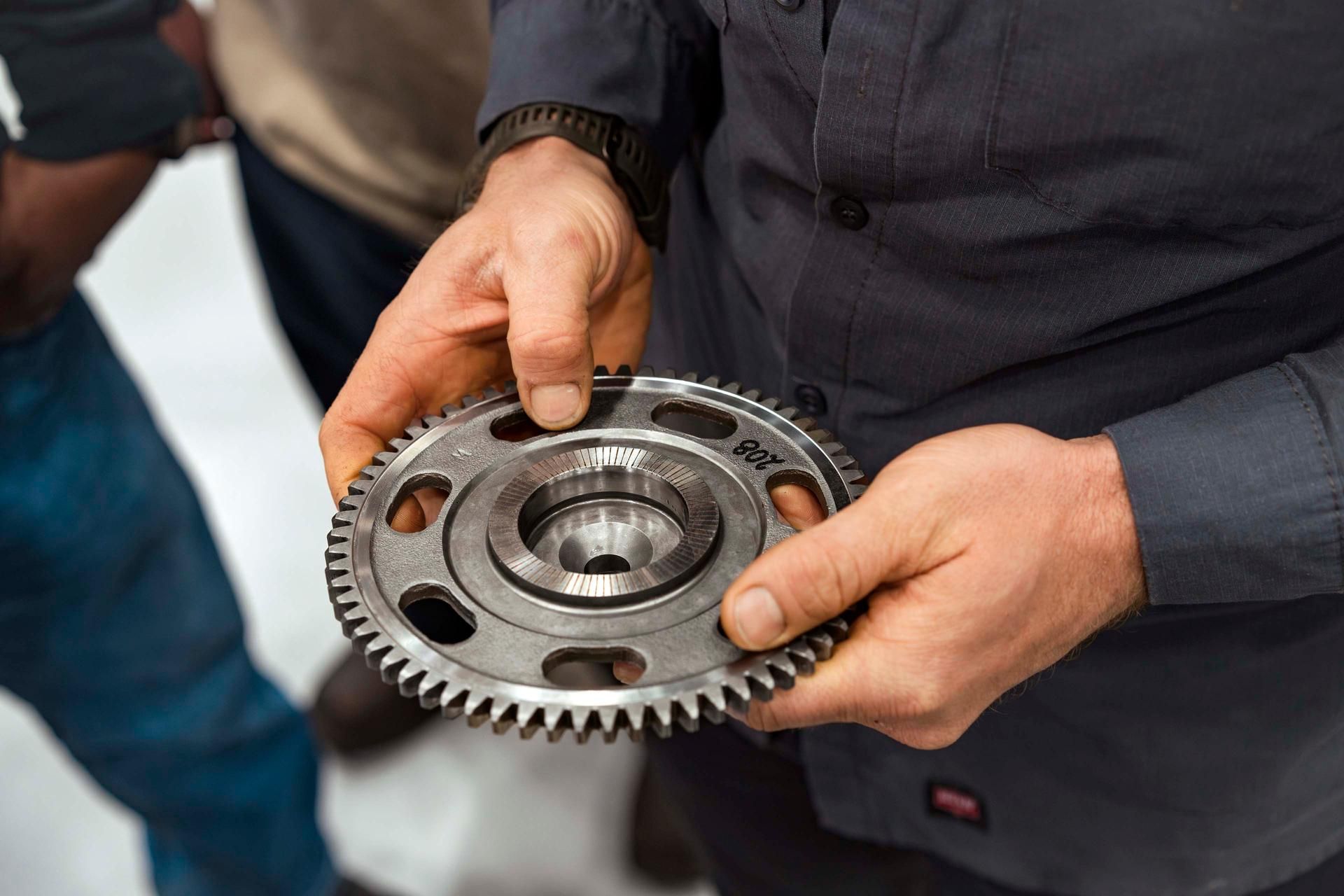
Common, modular parts and components are produced and stored worldwide, reducing the risk that regional volatility will disrupt supply.
Optimized inventory:
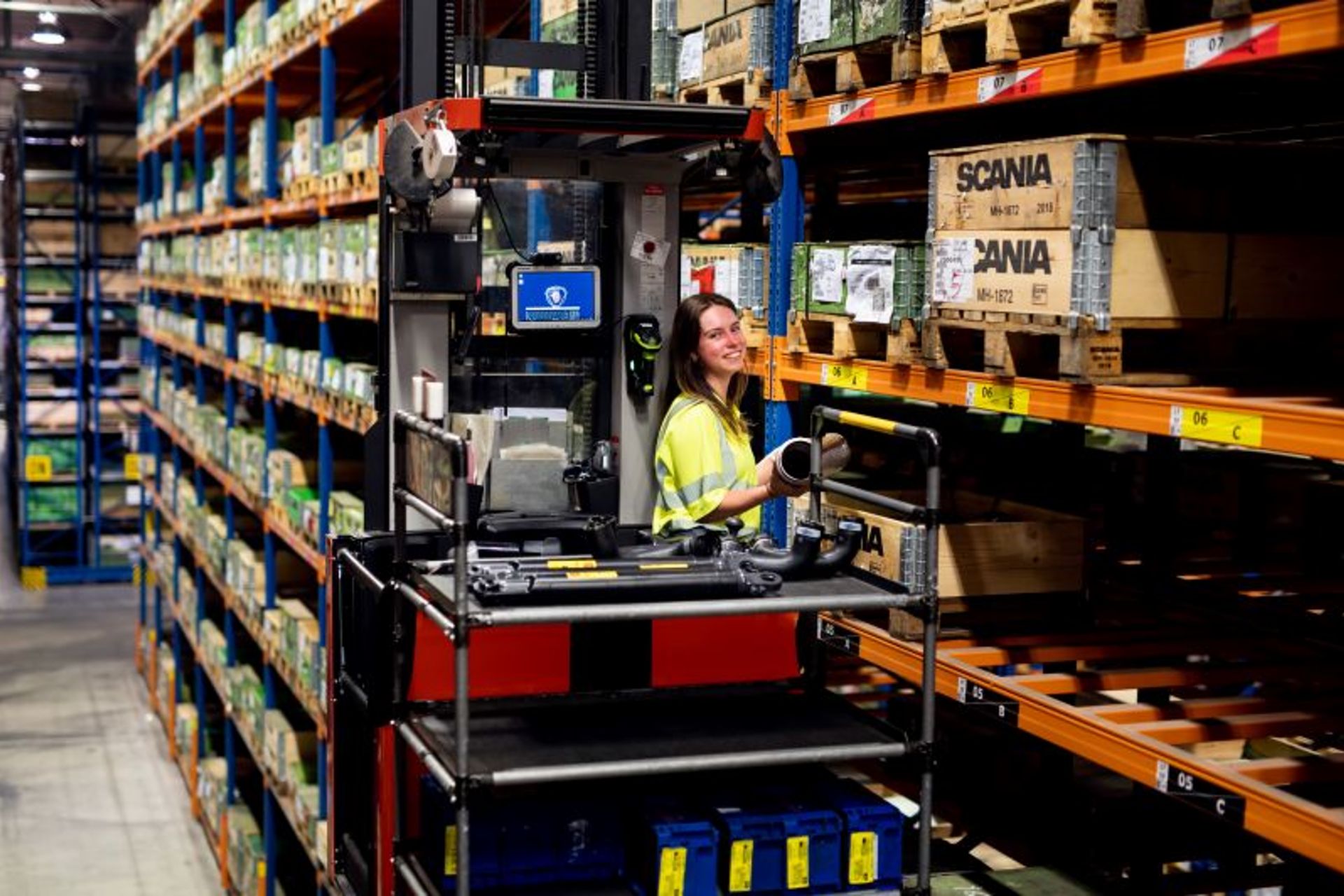
Group Modularization enables a planned approach to maintaining and optimizing inventories of critical parts.
Flexible production:
TRATON Modular System enables more flexible reallocations of component production.
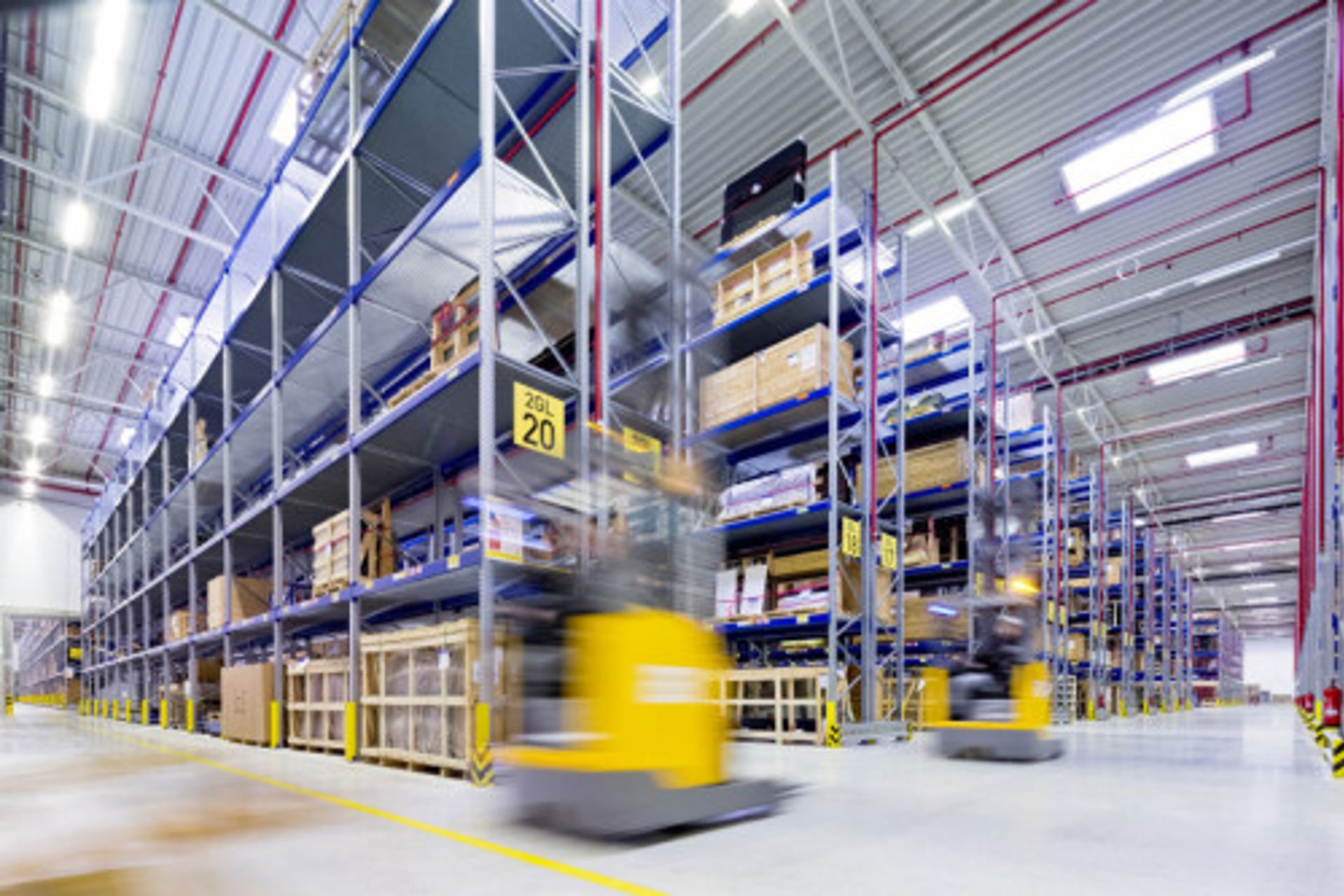
We are creating logistics hubs across the continents where we operate, and they’ll manage our flows within the regions and connect these regions in real time.
Fabio CastelloHead of Group LogisticsTRATON
1. Global logistics optimization
If one region faces issues, another can step in to maintain the flow. This is made possible by having shared common components, and shared Group production & logistics principles.
“We will be regional in execution but global in orchestration. We are creating logistics hubs across the continents where we operate, and they’ll manage our flows within the regions and connect these regions in real time. If we encounter disruptions, we can dynamically replan our flows. This will mean fewer stoppages, faster recovery, and greater stability for our customers,” says Fabio Castello, Head of Group Logistics at TRATON
For further perspective, Mattias Strömsten, Head of Powertrain Production at Scania, brings extensive experience from an organization with production sites across multiple continents, intricately linked by a robust global logistics network.
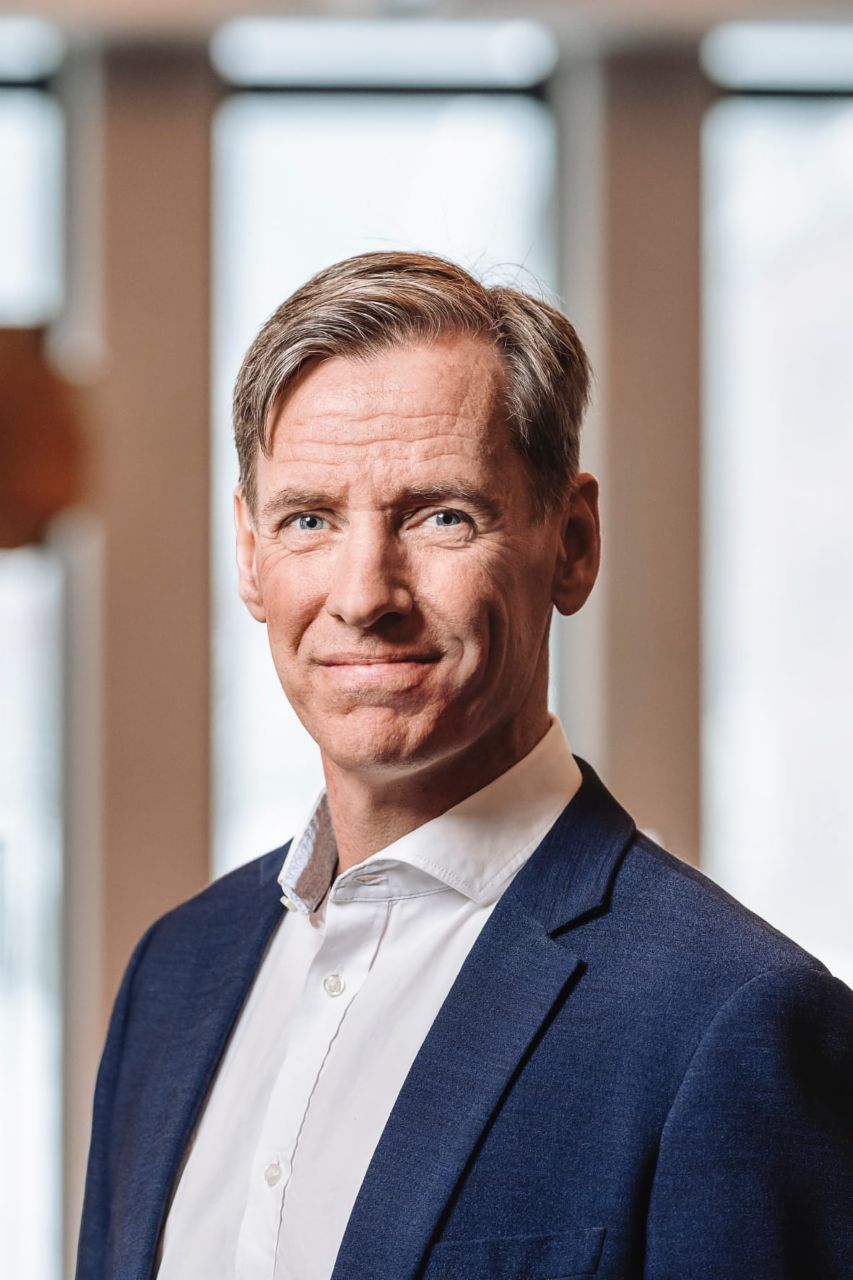
“By having common platforms for engines, transmissions, and axles, and later on e-propulsion systems, we can source critical components across multiple sites within the TRATON network. We can shift dynamically. It’s not just about redundancy, it’s about intelligent flexibility built into the system. In practice, that makes our supply chain far more resilient and predictable, even in uncertain times. On top of that, we can optimize the flows for the lowest landed cost for TRATON,” he says.
2. Optimized inventory
The TRATON Modular System enables a planned approach to maintaining and optimizing inventories of critical parts.
“Because parts are used across several brands and models, we can hold optimized inventories that serve a wide range of products. Approximately 80-90% of the strategic and core parts are common in our powertrain. This makes it possible to maintain stability during disruptions without overstocking or tying up unnecessary capital,” says Strömsten.
Castello says that it is a fine balance between preparing for potential crises and avoiding excessive inventory. “We believe that TMS will help us achieve this balance in an intelligent way. Instead of maintaining safety stocks across locations, we can share common stocks. With the combination of modular design and data-driven logistics, we can act quickly in a crisis while keeping our working capital and environmental footprint under control.”
Approximately 80-90%
of the strategic and core parts are common in our powertrain.
3. Flexible production
The modular setup is built on shared capacity and capability between TRATON’s production sites in Europe, South America, the US, and China.
“This gives us the agility to balance production depending on where challenges arise. For instance, if a particular plant is affected by a local problem, production of certain products can be ramped up elsewhere with minimal reconfiguration,” says Strömsten.
The TRATON Modular System is steadily progressing. With the engine and gearbox now built upon the common base, production benefits have already begun to manifest.
“We see the benefits of this approach in our conventional powertrain setup. As we transition into e-mobility, this flexibility will become even more important, even if the world becomes more of a diverging roads. It’s a truly global network with flexibility, not just a collection of local factories,” says Strömsten.
In practice, that makes our supply chain far more resilient and predictable, even in uncertain times.
Mattias StrömstenHead of Powertrain ProductionScania
A shared digital infrastructure is key
Castello emphasizes that a shared digital infrastructure is necessary for this global logistics flow to work. “The data must flow seamlessly from suppliers to factories, from factories to dealers, from dealers to customers. This level of clarity is key to enabling faster and smarter decisions,” he says.
The final piece of the puzzle is the people working in this global network. “It’s all about the people. The TMS brings our logistics experts from the brands together in one ecosystem,” says Castello.
Strömsten agrees. “This new way of working creates a team spirit within the Group, we solve problems and create strategies together. To the customers, we are four different brands, but internally in the Group, we need to cooperate.”
Looking to the future
Looking ahead, Strömsten believes that the modular system will be the catalyst for innovation within the Group. “Once fully rolled out, the TMS will unlock even greater synergies across TRATON’s brands. We’ll see more cross-learning, shared best practices, and faster continuous improvements across all sites. Having access to over 200,000 global components gives us significant learning potential. Challenges identified at one site can be solved and deployed Group-wide. In the long term, TMS will also support a smoother transition into electrified and digitalized production systems, ensuring we stay competitive and resilient—not just today, but for the next generation of transport solutions.”
Examples of collaboration
Fabio Castello provides three examples of how TRATON is already leveraging the global logistics network today:
1
Common packaging process
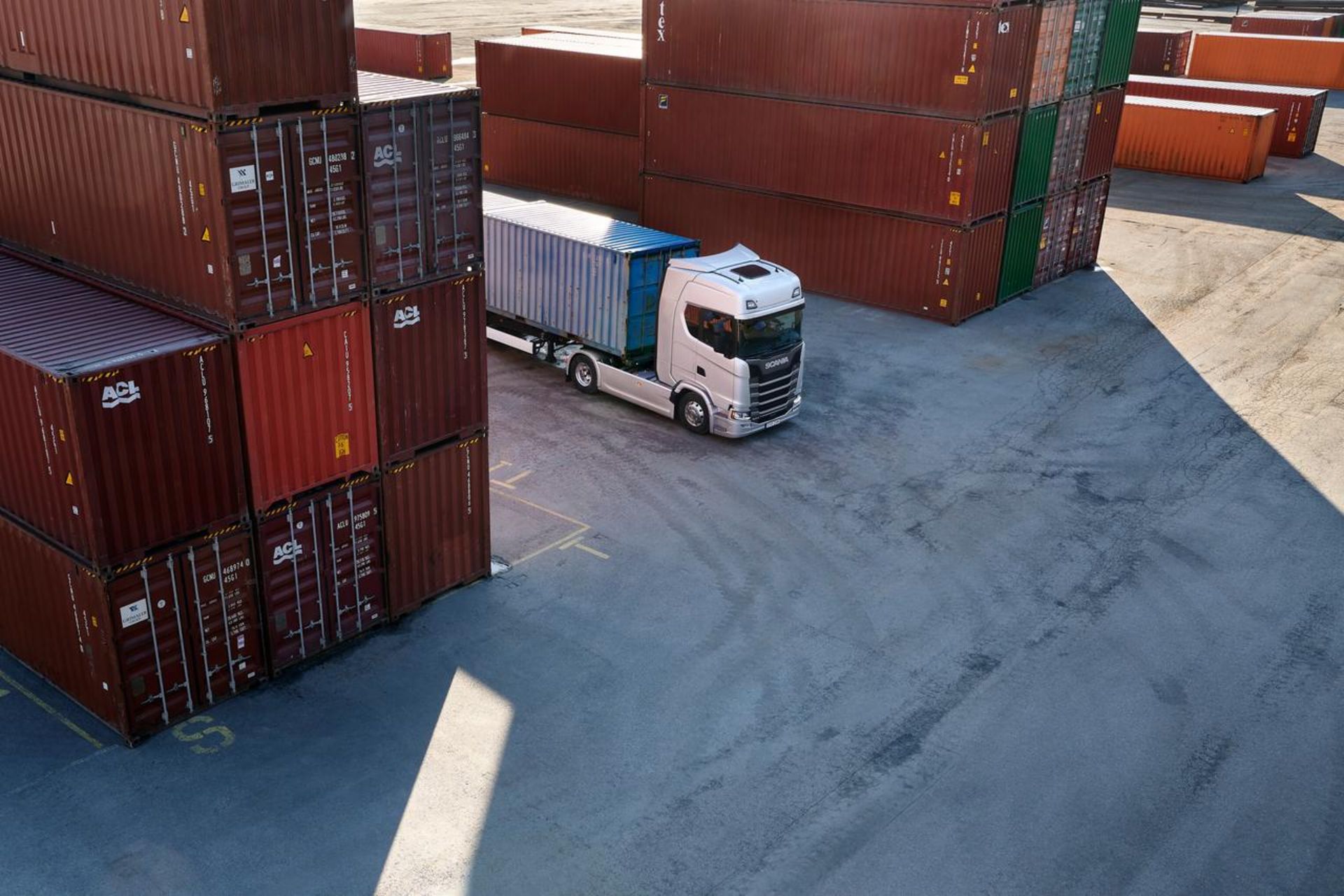
An integrated and sustainable packaging network has been implemented by the TRATON GROUP. “It has improved the density of our containers and reduced transportation costs and CO2 emissions,” says Castello.
1
More effective inbound logistics
“In South America, Scania and Volkswagen Truck & Bus are coordinating inbound logistics, optimizing toward a common transport network.”
1
Optimizing flow of transmission parts
“A fantastic example of how we optimize the flows are the engine core parts and the strategic transmission parts. We have optimized the flows of both engine and transmission parts from the lowest landed cost for TRATON considering the optimal set up from the perspective of transport cost and custom, depending on where the producing and consuming entity is located. This is securing not only the resilience but also setting a design that is the most efficient and economical for every material flow.”
.jpg/jcr:content/2024_eRH_Intermodal%20(1).jpg)