Ludwig Wimmer – Financing TRATON’s Battery-Electric Future
At TRATON, sustainability is a shared purpose. Impact Lines reveals how TRATON’s people bring this purpose to life, turning sustainability goals into tangible impact across every brand, every system and every line of work.
As TRATON ramps up the shift toward battery-electric trucks and buses, someone has to translate the Group’s sustainability ambitions into financial products that move capital and momentum in the right direction.
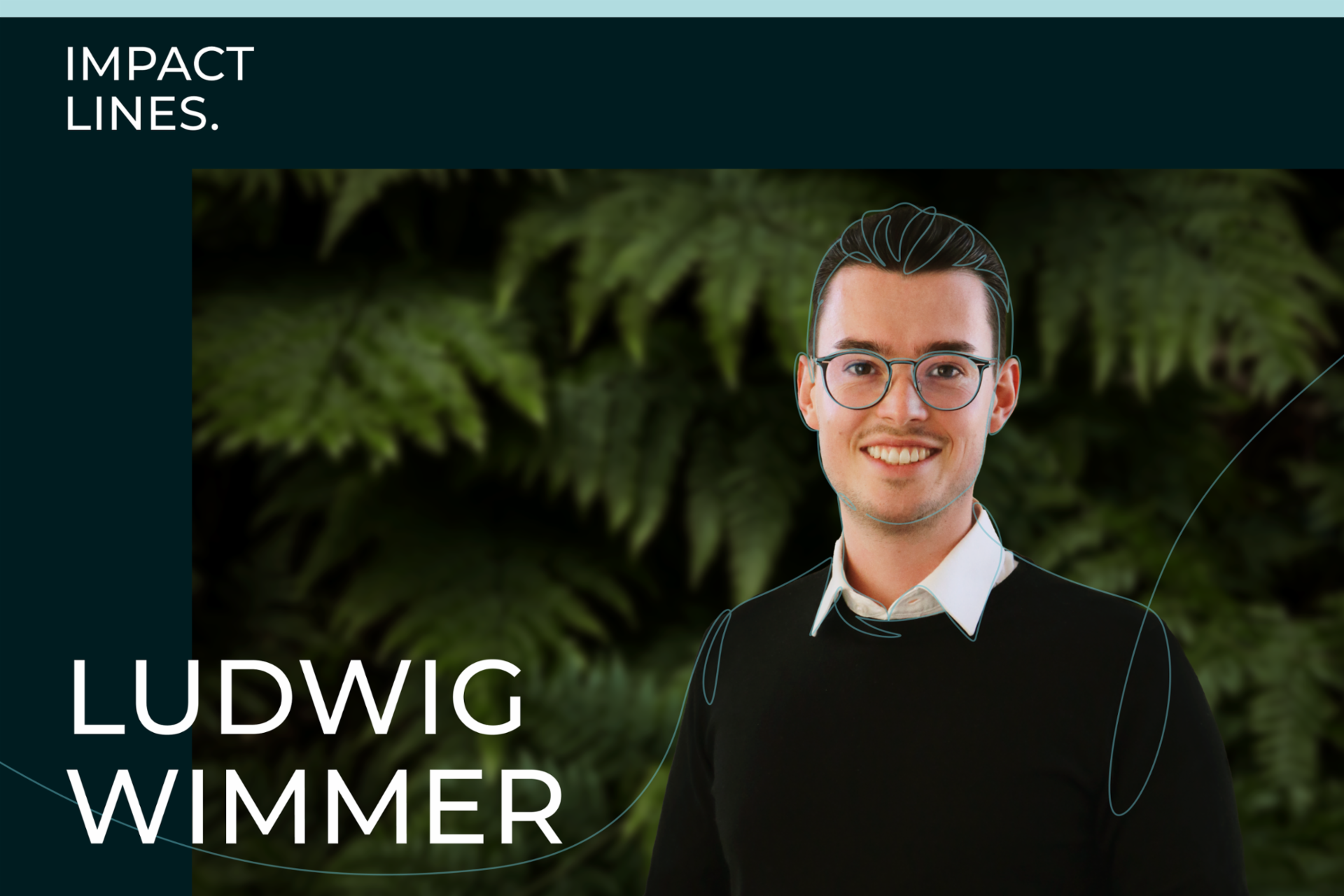
For Ludwig Wimmer, Specialist Corporate Funding at TRATON, that’s where his work becomes meaningful. After several years in corporate finance and a growing passion for sustainable finance, he joined TRATON’s Treasury team two years ago and is a cornerstone in the development of the Group’s first Green Finance Framework – a flexible approach designed to support a wide range of future green financing instruments. Ludwig highlights how the Framework channels investment into TRATON’s battery-electric vehicle (BEV) transformation, why flexibility matters, and what role green finance will play in shaping the industry’s future.
You’ve built your career around sustainability and green finance. What does that mean in practice and what motivated you to focus on this field?
My career didn’t start in green finance, but sustainability became more important as I worked in corporate banking and saw how quickly ESG topics were gaining relevance. I completed a Sustainable Finance certification and realized how powerful this field can be: you can shape financial decisions that have a real environmental impact.
As part of the TRATON Treasury team, I focus on corporate funding and managing the Group’s debt portfolio. Sustainable finance is a strategic priority – especially as TRATON and its brands make large investments in BEVs. For the past year, I drove the set-up of our first Green Finance Framework in my role as PMO. It took nine months and involved more than eight different teams from TRATON as well as further involvement from our brands. Now that it’s in place, we have a clear structure for raising and allocating capital to projects that accelerate electrification and innovation.
So for me, the motivation comes from being able to contribute to something bigger: TRATON’s purpose of “Transforming Transportation Together. For a sustainable world.” It’s a challenging moment for our industry, but also a moment full of possibility and I’m excited that my work can play a tangible part in that transition.
TRATON is uniquely positioned to lead the shift towards sustainable mobility in our commercial vehicle sector.
Ludwig WimmerSpecialist Corporate Funding at TRATON
Green finance can sound abstract. How does the Framework actually support TRATON’s decarbonization efforts?
Simply put, the Green Finance Framework defines how TRATON issues and manages green financial instruments – for example, green bonds or green loans. It ensures that the capital we raise goes directly into projects with clear environmental benefits.
At TRATON, the Framework focuses entirely on battery-electric trucks and buses across their entire value chain: research and development, manufacturing, financial services for our customers and even charging solutions. It’s aligned with international standards and received a “Dark Green” rating from S&P Global Ratings, which indicates the highest level of sustainability integrity and a strong contribution to climate goals.
For investors, this transparency matters. Many have dedicated green funds and want to support companies driving meaningful decarbonization. The Framework gives them a clear, credible way to invest in TRATON’s transformation.
How do you remain agile and competitive while meeting sustainability standards?
The Framework aligns with international standards such as the ICMA Green Bond and Loan Principles and EBA regulatory guidelines. This gives us a credible foundation while still allowing flexibility. The shift to electric mobility is fast-moving; we don’t always know which part of the value chain will need the most investment.
Staying agile means staying close to the market – engaging with banks and investors, promoting the Framework and collecting feedback to structure future transactions. Green Finance Frameworks are typically updated after a few years, and we see opportunities to expand into additional categories in the future, such as circularity and sustainable production.
What’s next for sustainable finance and what role will TRATON play in shaping that future?
I think developments will differ by region, but in Europe the momentum remains strong. Investors increasingly expect transparency, reliable data and measurable impact. The EU’s regulatory initiatives on standardization and reporting are pushing the market in that direction.
The initial wave of companies publishing Green Finance Frameworks has probably peaked. The real challenge now is using them effectively: allocating capital, reporting impact and maintaining credibility. That’s where the market is heading.
With our global brands, TRATON is uniquely positioned to lead the shift toward sustainable mobility in our commercial vehicle sector. The Green Finance Framework helps by raising capital for low- and zero-emission technologies and channeling it toward the areas where it can create the most impact.
By financing everything from vehicle technology to infrastructure, partnerships and digital solutions, we’re contributing not only to our own transformation but also to a broader ecosystem of sustainable logistics. The Framework gives us a targeted, purpose-driven way to support this transition across the entire Group.

.jpg/jcr:content/2024_eRH_Intermodal-(1).jpg
)